.webp)
How to Master Train Combat and Survive Against Charles in Choo Choo Charles

Choo Choo Charles is not your typical horror game—it’s a survival experience wrapped in rusted metal and locomotive madness. Players are trapped on an island haunted by a sentient, spider-legged train named Charles, whose goal is to hunt and destroy anything in his path. Your only defense? Another train, armed with scavenged weapons and powered by constant upgrades. Mastering train combat is not just about shooting; it’s about strategy, positioning, and survival under pressure.
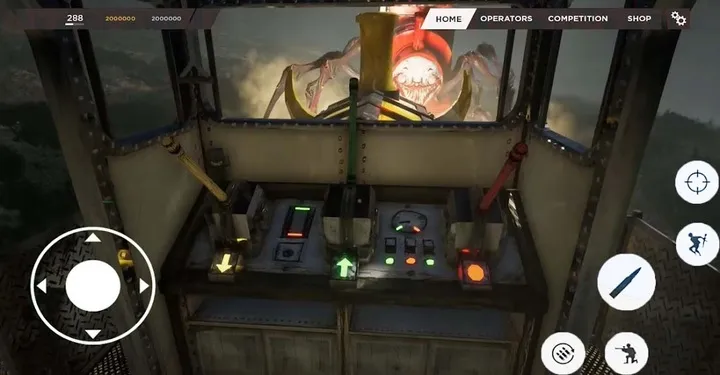
This 3000-word guide dives deeply into how to master train combat and survive against Charles. Each section follows the progression of your journey, from the first encounter to the final showdown. It breaks down the mechanics of train combat—timing, upgrades, weapon management, and environmental use—into a structured learning experience that transforms you from prey to predator.
1. Understanding the Battlefield: The Island as Your Arena
Before you can master train combat, you must understand that the island itself is a living, breathing battlefield. Every section of the railway system offers both opportunity and danger.
The Layout of the Rails
The railway network is divided into connected loops and branches that intersect through mountains, forests, and villages. Learning the map is the foundation of survival. Each junction offers tactical advantages for escaping or confronting Charles. Memorize shortcuts and note dead ends early on to avoid panic when the beast appears.
Environmental Hazards and Advantage Points
The environment can work both for and against you. Hills slow down your train, while tunnels and bridges create choke points where Charles’s mobility is limited. Use narrow paths to control his approach and open plains when you need maneuvering room.
Predicting Charles’s Hunting Zones
Charles patrols certain zones more frequently, often near mission sites or valuable scrap caches. Recognizing these patterns allows you to prepare your defenses or avoid unnecessary confrontations.
Your train doesn’t move through an empty world—it moves through Charles’s hunting ground. Knowing the terrain is your first real weapon.
2. Building the Heart of Survival: Your Train as a Weapon
Your train is not just transportation—it’s your fortress, your gunship, and your lifeline.
Train Health and Maintenance
Your train has a finite amount of health, represented by durability points. Every attack from Charles chips away at this number. Always keep a reserve of scrap for emergency repairs; running out mid-fight can mean instant destruction.
Upgrading the Core Systems
There are three primary upgrade categories:
- Speed: Determines escape potential and maneuvering flexibility.
- Damage: Increases the effectiveness of mounted weapons.
- Armor: Reduces incoming damage and improves survivability.
Focusing on balanced upgrades early is crucial. A fast but fragile train will crumble under sustained assault, while a heavily armored but slow one might not escape at all.
Resource Management and Scrap Efficiency
Scrap metal is the game’s true currency. Use it strategically—repair only when necessary and prioritize permanent upgrades over temporary fixes. Efficient scrap use ensures you’re always combat-ready.
Your train is the center of your war effort. Treat it like your body—strong, maintained, and balanced.
3. Scavenging for Power: How to Upgrade Efficiently
No combat mastery is possible without proper upgrades. Efficient scavenging transforms your train from a rust bucket into a war machine.
Mission Rewards vs. Free Exploration
Side missions often yield large chunks of scrap and new weapon attachments. Focus on completing these before heading into tougher zones. Free exploration fills the gaps by providing smaller, scattered rewards.
Prioritizing Upgrade Order
The best upgrade order for train combat is:
- Speed (first priority)
- Armor (second priority)
- Damage (third priority)
Speed keeps you alive longer, and armor makes you more forgiving of mistakes. Once survival is stable, increasing damage becomes essential for boss phases.
Scrap Collection Techniques
- Search every structure carefully.
- Use lantern light at night to spot metallic glints.
- Return to previously explored areas—scrap sometimes respawns.
The smarter you scavenge, the stronger your train becomes. Power is earned, not given.
4. Learning Charles’s Behavior: Reading the Monster’s Intentions
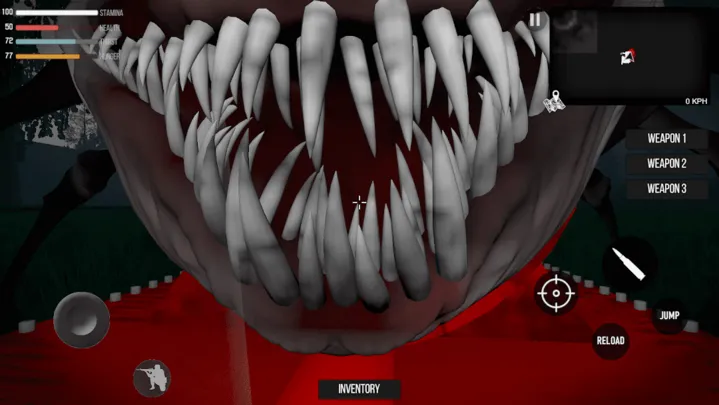
Fighting Charles is not about reflexes—it’s about prediction. Like any predator, Charles has patterns, and understanding them gives you an advantage.
Audio and Visual Cues
Before an encounter, you’ll often hear the faint whistle of Charles’s train mixed with mechanical screeches. The closer he gets, the louder and more distorted the sound becomes. Visually, his glowing red eyes or shifting shadows in the trees indicate an incoming attack.
Behavioral Phases
Charles has several combat phases:
- Scout Phase: He circles your train, testing your defenses.
- Engagement Phase: He charges and attacks weak points.
- Retreat Phase: After sustaining heavy damage, he retreats to recover.
Timing Your Counterattacks
The key to efficient combat is countering during his engagement phase. Wait until Charles commits to an attack before firing heavy weapons—this ensures every shot lands when he’s vulnerable.
Charles is not random. He’s reactive, intelligent, and adaptive. Learning his behavior is like learning a deadly dance.
5. Weapon Mastery: Choosing and Managing Your Arsenal
Different situations call for different weapons. Mastering train combat means knowing when—and how—to use each.
The Machine Gun
Your default weapon, the machine gun, offers a steady stream of bullets with minimal overheating. It’s ideal for early fights but lacks stopping power. Use it for chip damage or to finish Charles when he’s retreating.
The Flame Thrower and Rocket Launcher
- Flame Thrower: Slows Charles, giving you control of pacing.
- Rocket Launcher: Deals massive burst damage but requires precision and cooldown management.
Overheat and Weapon Cycling
Each weapon overheats after prolonged use. The trick is to rotate between weapons mid-fight, ensuring you’re always dealing damage while avoiding downtime.
The perfect weapon strategy balances control, burst, and consistency.
6. Strategic Engagement: When to Fight and When to Flee
Knowing when to engage Charles and when to retreat separates survivors from victims.
Reading the Situation
If Charles ambushes you near a sharp turn or uphill slope, disengage—he’ll have positional advantage. Conversely, open straight tracks favor your train’s firepower and make aiming easier.
Using Speed for Tactical Retreats
When fleeing, always prioritize forward motion rather than reversing. Reversing reduces acceleration and increases vulnerability. Instead, switch track directions at junctions to create chase loops where you can reposition.
Baiting Charles
Sometimes, it’s better to initiate combat under controlled conditions. Stop near an open area, lure him with noise, and fight on your terms. This proactive style ensures environmental advantages.
Surviving Choo Choo Charles is not about bravery—it’s about smart engagement choices.
7. Managing Panic: The Psychology of Train Combat

One of the game’s most overlooked challenges is fear management. Panic causes poor aim, wasted resources, and delayed reactions.
Staying Calm Under Pressure
Focus on rhythm. Every weapon reload, every engine acceleration has a pattern. Align your breathing and actions with these cycles to maintain focus even during chaos.
Situational Awareness
Don’t tunnel-vision on Charles. Keep one eye on the track direction and your minimap for potential junctions. Awareness prevents being cornered.
The Power of Preparation
Confidence eliminates fear. Regularly check ammo, fuel, and health before moving between zones. A prepared mind doesn’t panic—it performs.
Mastering your nerves is as vital as mastering your weapons.
8. Repair and Recovery: Staying Combat-Ready After Each Encounter
Victory means nothing if you can’t recover afterward. Post-battle management keeps your base (train) sustainable.
Assessing Damage
After every encounter, stop immediately and repair your train. Prioritize structural damage over cosmetic wear.
Resource Allocation
If scrap is limited, fix only essential systems: engine and armor first. Damage can be repaired later, but a broken engine can’t escape another ambush.
Resupply and Preparation
Stockpile scrap before major story missions. Explore side paths or revisit safe stations to replenish materials.
Your survival depends not just on fighting hard, but on recovering smartly.
9. The Final Showdown: Preparing for the Ultimate Battle
Everything leads to the climactic confrontation with Charles. To win, you must integrate every learned skill into one final act.
The Final Build
Ideal late-game stats:
- Speed Level 9
- Armor Level 8
- Damage Level 10
- This configuration ensures a balance between offense and endurance.
Weapon Loadout Setup
Use the rocket launcher as your primary, the flamethrower for slowing, and the machine gun for finishing. Rotate frequently to avoid overheating.
Battle Phases
Charles evolves throughout the fight:
- Early Phase – Straightforward charge attacks.
- Mid Phase – Teleporting and flanking behavior.
- Final Phase – Rage mode with continuous pursuit.
Maintain maximum speed, conserve ammo, and aim for his glowing weak points.
This battle is the ultimate test of your strategic growth—every upgrade, every lesson matters.
10. Post-Game Reflection: Mastery Beyond Survival

Defeating Charles is not the end—it’s the beginning of understanding how the game rewards intelligent play.
The Philosophy of Efficiency
Every mechanic in Choo Choo Charles—from resource management to combat rhythm—teaches balance. You can brute force victory, but mastery lies in elegance.
Replayability and Optimization
Replay with efficiency in mind. Challenge yourself to beat the game using fewer scraps, faster travel times, or minimal weapon use. This refines your skill further.
Evolution of a Survivor
The game’s real success is transforming you from a panicked engineer into a composed tactician. Each run is not just a battle against Charles—it’s a battle against your own fear.
Conclusion
Mastering train combat in Choo Choo Charles is not about aggression—it’s about adaptation. Every mechanic, from upgrades to enemy behavior, encourages you to think rather than react. The island is a brutal teacher, and Charles is the final exam. By learning terrain, perfecting weapons, managing fear, and preparing strategically, you transform the game from a horror chase into a symphony of control. In the end, survival is not about luck—it’s about precision, patience, and power.