.webp)
Moonlighter Tips & Guide: Essential Strategies for Dungeon Exploration, Shop Management, Combat, and Building a Profitable Business

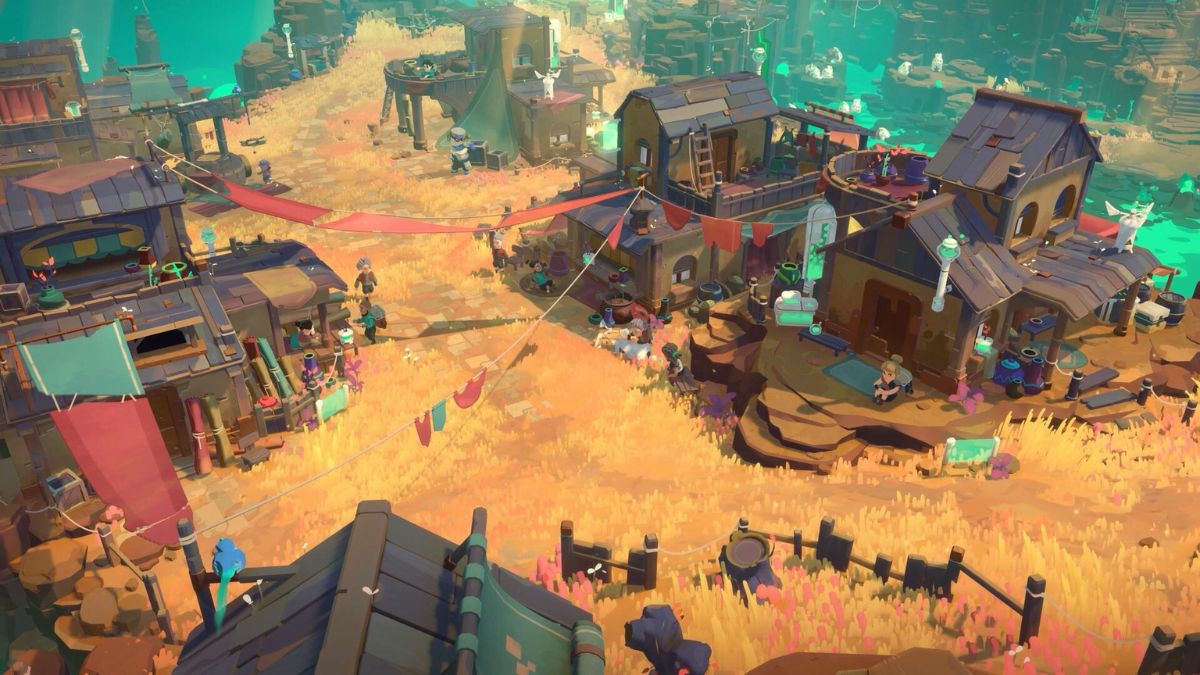
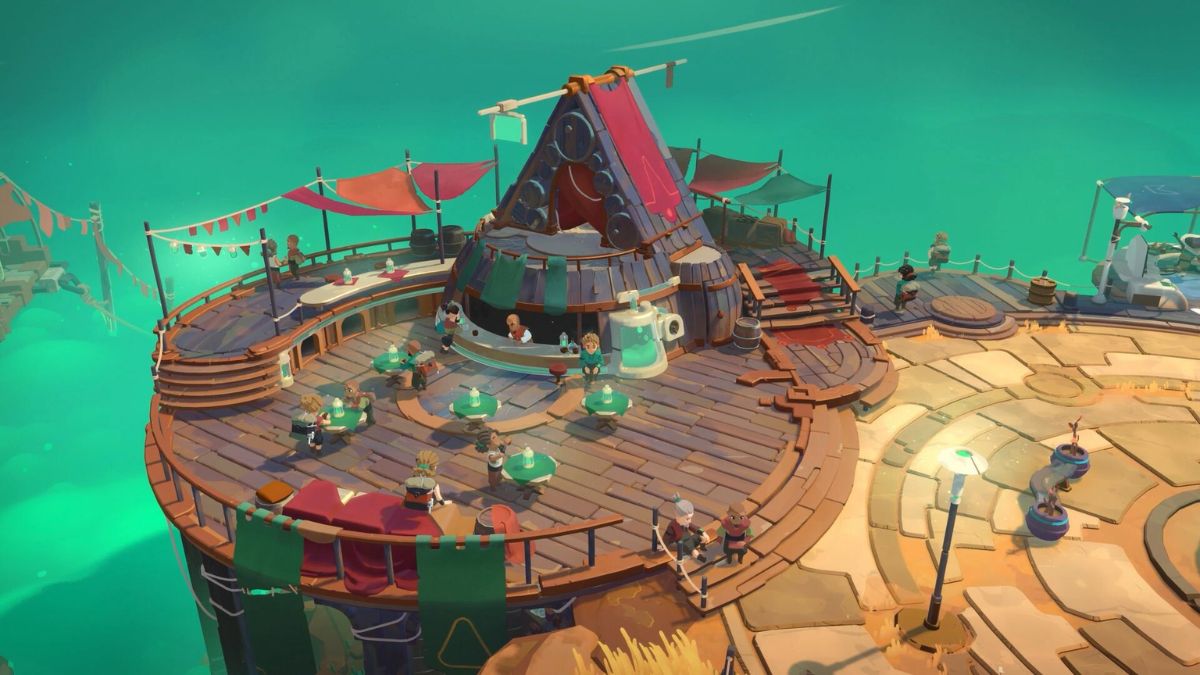
Moonlighter combines two very different jobs into one satisfying adventure. During the day, you run a shop in the village of Rynoka, pricing items, serving customers, and earning money. At night, you explore mysterious dungeons, battle monsters, collect valuable artifacts, and search for resources that can help you improve your equipment and business.
The challenge is learning how these two sides of the game support each other. Dungeon exploration provides the materials and treasures you need, while shop profits fund stronger weapons, armor, potions, and upgrades. A successful run is not simply about collecting as much loot as possible. You must also decide what to bring home, what to sell, which items to preserve for crafting, and when to retreat before losing valuable progress.
Moonlighter rewards patience, careful preparation, and smart decision-making. Rushing through dungeons with weak equipment can lead to expensive mistakes, while selling every artifact you discover can leave you short of the materials required for important upgrades. By learning the basics of combat, inventory management, shop pricing, and progression, you can make each expedition more productive.
This guide covers ten essential areas of Moonlighter, from beginner preparation to advanced dungeon planning and long-term shop management. Whether you are starting your first adventure or trying to build a more efficient routine, these tips will help you earn money, survive longer, and strengthen your character.
1. Understand the Day and Night Gameplay Loop
Moonlighter revolves around a repeating cycle. During the day, you operate your shop and manage the money earned from selling dungeon loot. At night, you explore dungeons to collect more artifacts and materials. These activities form a connected progression system, so neglecting either side can slow your overall development.
Your shop is the financial foundation of your adventure. Selling artifacts generates the money needed to improve equipment, purchase supplies, and unlock upgrades. Dungeon exploration supplies the goods you sell, but it also provides crafting materials that may be more valuable when used to strengthen your character.
Establish a consistent routine
At the beginning of each day, review your inventory and decide which items are ready for sale. Place appropriate goods in your shop, set prices based on customer reactions, and collect your earnings. When you have sufficient funds and materials, invest in improvements that support your next expedition.
Before heading into a dungeon, check your equipment, health supplies, and available inventory space. Your goal is to enter with a clear purpose rather than explore without considering what you need.
A useful routine includes:
- Selling surplus artifacts to generate income.
- Keeping materials required for upcoming equipment upgrades.
- Checking whether your weapons and armor need improvement.
- Preparing healing items and other useful supplies.
- Exploring the dungeon that matches your current strength.
- Returning to town before a promising run becomes unnecessarily risky.
Balance exploration and business
It is tempting to spend all your time exploring because combat and discovery are the most immediately exciting parts of the game. However, repeatedly entering dungeons without selling loot or improving equipment can leave you underprepared.
Likewise, spending too much time managing the shop without gathering fresh materials eventually limits your progress. The best approach is to alternate between exploration and business according to your needs.
If you need money, prioritize selling valuable surplus items. If your equipment is too weak for the next dungeon, focus on obtaining the materials required for upgrades. When both needs are covered, explore to build your inventory and discover new resources.
2. Prepare Properly Before Entering a Dungeon
Preparation can determine whether an expedition becomes a profitable success or an expensive failure. Dungeons contain enemies, traps, and increasingly valuable artifacts, but the loot you collect is not automatically safe. If you fall in battle, you can lose much of the progress made during your run, making careful preparation especially important.
Before entering a dungeon, inspect your current equipment and make sure you have enough health and damage to handle its enemies. Stronger gear improves your ability to survive mistakes and defeat opponents without wasting excessive healing resources.
Choose equipment for your current challenge
Weapons differ in their attack patterns, range, speed, and combat style. Some allow you to attack from a safer distance, while others reward close-range aggression. Choose a weapon that fits your preferences and that you can use consistently.
Armor is equally important. Better defensive equipment gives you more room to recover from mistakes, especially when you encounter unfamiliar enemies. If you are repeatedly losing health too quickly, upgrading your armor may be more effective than attempting to defeat everything faster.
Before leaving town, ask yourself:
- Is my weapon strong enough for this dungeon?
- Can my armor withstand several mistakes?
- Do I have healing items available?
- Is my inventory organized for collecting artifacts?
- Do I have a plan for returning with valuable loot?
You do not need perfect equipment for every run. The objective is to make the expedition manageable without spending so much money on preparation that you undermine your next upgrade.
Set a goal for every expedition
A dungeon run becomes more efficient when you know what you want from it. You might be searching for a particular crafting material, collecting artifacts to sell, or exploring deeper rooms to find better loot.
Your objective should influence your decisions. If you urgently need a specific material, prioritize opportunities to obtain it. If your inventory is filling with valuable artifacts, consider returning rather than risking everything for another room.
Not every expedition needs to reach the deepest possible floor. A short, successful run that provides the materials you need can be more useful than a long expedition that ends in defeat.
3. Learn Enemy Patterns and Improve Combat
Combat in Moonlighter relies on movement, timing, and recognizing enemy behavior. Simply attacking continuously is rarely the safest strategy, especially when facing unfamiliar opponents or groups of enemies. Learning when to attack and when to retreat helps preserve health and reduces the chance of losing valuable loot.
Many enemies telegraph their attacks through movement or brief preparation animations. These signals give you an opportunity to reposition before taking damage. Observe an enemy for a moment instead of immediately rushing toward it.
Use movement to control the fight
Dodging and repositioning are essential skills. When an enemy prepares an attack, move out of its path and look for an opportunity to counterattack. Avoid standing still while repeatedly using the same attack if the enemy can punish your position.
Try to engage enemies in manageable groups whenever possible. If several opponents surround you, moving to a more favorable position can prevent you from taking damage from multiple directions.
A useful combat sequence is:
- Observe the enemy's movement and attack range.
- Wait for a clear indication that an attack is coming.
- Dodge or move away from the danger zone.
- Counterattack during a safe opening.
- Reposition before the enemy begins another attack.
This method may feel slower than aggressive play, but it becomes more reliable as enemy damage increases.
Choose a weapon that matches your style
Your preferred weapon should support the way you naturally approach combat. Faster weapons may feel comfortable for players who like repeated attacks and quick movement, while weapons with greater reach can provide more control over spacing. Different weapon types also offer distinct advantages and limitations.
Experiment when you have enough resources to craft alternatives, but avoid switching constantly without learning how each weapon works. Familiarity improves timing and makes it easier to judge whether you can safely attack.
Pay attention to the environment, too. Open space can make certain fights easier, while narrow areas may restrict your movement. Positioning yourself before an engagement can be just as important as choosing the right weapon.
4. Manage Your Inventory and Protect Valuable Loot
Inventory management is one of Moonlighter's most important systems. Artifacts occupy limited space, and their curse effects can influence how they behave when stored or moved. Some items have directional effects on neighboring inventory slots, meaning their placement can affect whether other artifacts remain safe.
This creates an additional layer of strategy during dungeon exploration. You are not simply collecting the most valuable items. You must arrange them carefully, preserve useful materials, and decide which treasures deserve limited space.
Understand artifact curses
Artifacts can have special effects that influence adjacent items. Depending on the curse, an item may affect the value, behavior, or safety of another artifact when stored in a particular position. Some effects are beneficial, while others can damage or destroy neighboring loot.
Before placing an artifact in your backpack, inspect its effect and consider the surrounding slots. Avoid placing valuable items where an unfavorable curse could affect them. When possible, position artifacts so that directional effects point toward less important items or empty spaces.
This is particularly important when your backpack contains rare loot that would be expensive to lose. A moment spent rearranging items can prevent a much larger setback later.
Prioritize loot instead of collecting everything
As your inventory fills, you must decide what to keep and what to leave behind. The best choice depends on your current goal, the item's value, and whether you need it for crafting.
Use these priorities:
- Preserve rare materials needed for important upgrades.
- Keep valuable artifacts when you have safe inventory space.
- Avoid risking your most important loot for low-value items.
- Consider the effects of cursed artifacts before storing them.
- Make room when you discover an item that better supports your objective.
A full backpack is not always a reason to continue deeper. If you already have valuable loot and your remaining space is limited, returning to town may be the smartest decision.
5. Price Artifacts Correctly in Your Shop
Running your shop is more than placing items on shelves and collecting money. Pricing affects customer reactions, sales, and the income you earn from each artifact. Set prices too high and customers may refuse to buy; price items too low and you can lose potential profit.
Moonlighter encourages you to learn what customers consider reasonable through their reactions. Treat these responses as feedback rather than relying entirely on guesswork.
Use customer reactions to find a good price
When selling an unfamiliar artifact, begin with a reasonable estimate and watch how customers respond. Their reactions help indicate whether the price is attractive, excessive, or too low.
If customers appear pleased with a price, you may have found a suitable selling point. If they react negatively, adjust your expectations and test another price. Over time, you will build a better understanding of what different artifacts are worth.
Avoid assuming that every item should be priced according to its rarity alone. Different goods can attract different levels of demand, and a valuable artifact may require a different approach from a common material.
Avoid leaving money on the table
Selling everything cheaply may create quick turnover, but it reduces the income available for upgrades. Conversely, setting every price aggressively high can prevent sales and waste opportunities to earn money.
The goal is to find a balance between reliable sales and good margins. Use customer feedback to refine prices, and remember successful prices for items you sell regularly.
As your inventory expands, shop management becomes easier because you can compare familiar goods and make more informed decisions. The money you save through sensible pricing can be reinvested into better equipment and business improvements.
6. Invest in the Right Upgrades First
Money earned from selling artifacts should support your long-term progression. Moonlighter offers equipment improvements and shop-related upgrades, but your available funds are limited early in the game. Spending without considering your immediate needs can delay important milestones.
Your priorities should change according to your progress. If you are struggling to survive dungeon encounters, equipment may provide the greatest immediate benefit. If you can already explore safely but have difficulty handling your growing business, shop improvements may become more attractive.
Strengthen your character before taking bigger risks
Weapon and armor upgrades can make a substantial difference to your ability to explore. Better equipment allows you to defeat enemies more efficiently and withstand attacks that might otherwise end a run.
When considering an upgrade, look at both the money and materials required. Dungeon resources can be just as important as currency, so do not assume you can immediately craft every improvement you can afford.
A practical progression strategy is to focus on one meaningful upgrade at a time. Identify the item that will help you most, gather its required materials, and work toward it rather than spreading resources across several upgrades with little immediate impact.
Improve the shop when it supports your economy
Shop upgrades can help you develop your business and create additional opportunities as you progress. However, their value depends on your current situation. If you lack the money to buy essential equipment, an optional shop improvement may be better postponed.
Consider the benefits of each investment in relation to your current bottleneck. Ask whether it will help you earn more money, handle customers more effectively, or unlock an important part of progression.
The best upgrade is the one that solves a problem you are actually experiencing. By investing according to your needs rather than purchasing everything immediately, you can maintain a healthier balance between business growth and dungeon readiness.
7. Know When to Retreat from a Dungeon
One of the most important skills in Moonlighter is recognizing when to end an expedition. Exploring deeper can produce better rewards, but it also increases the danger of losing valuable loot. A successful run is measured by what you safely bring home, not simply by how far you travel.
New players often continue exploring because they believe the next room will provide something exceptional. Sometimes it does, but an increasingly damaged character with a full inventory may be taking unnecessary risks.
Evaluate your situation regularly
As you move through a dungeon, check your remaining health, healing supplies, inventory space, and current loot. If your health is low and your backpack contains valuable items, the potential cost of continuing may outweigh the possible reward.
You should also consider your equipment and familiarity with the enemies ahead. If you have reached an unfamiliar section and are struggling with the current opponents, pushing deeper without a plan can be dangerous.
Useful warning signs include:
- You have little health remaining.
- You have used most of your healing supplies.
- Your inventory contains several valuable artifacts.
- You are struggling to defeat ordinary enemies.
- You have already obtained the material you came to find.
When several of these conditions apply, retreating is often the better decision.
Treat successful returns as progress
It can feel disappointing to leave a dungeon before reaching its deepest rooms, but returning safely provides resources, money, and crafting opportunities. These gains can make your next expedition stronger and more productive.
A series of controlled runs can be more effective than one ambitious attempt that ends with lost loot. As your equipment improves and you learn enemy patterns, you will be able to explore deeper with greater confidence.
Remember that the ability to retreat is part of the game's strategy. You are not required to take every risk simply because a reward might be waiting.
8. Use Dungeon Progression to Target Materials
Different dungeon areas provide different resources and artifacts, and these materials support your equipment progression. As you advance, it becomes increasingly important to identify which dungeon contains the items you need rather than exploring randomly.
Before committing to a run, check the materials required for your next weapon or armor upgrade. If you already know which resources are missing, use that information to choose an appropriate destination.
Farm with a specific upgrade in mind
Suppose an equipment upgrade requires a material you have not collected. Instead of repeatedly exploring every available dungeon, focus on the area associated with that resource and prioritize rooms where you have a reasonable chance of finding it.
This makes each expedition more purposeful. You can still collect valuable artifacts for sale, but your primary goal is to obtain the missing materials.
Keep track of how much you need. Once you have enough for your planned upgrade, reconsider whether another run is necessary. Continuing to farm the same material after meeting your goal may be less useful than moving toward the next objective.
Combine material hunting with shop income
A productive expedition should ideally support both sides of your progression. Gather the crafting materials you need, but also collect sellable artifacts whenever space and safety allow.
This creates a balanced cycle: dungeon exploration provides materials and goods, the shop converts surplus goods into money, and money supports the equipment needed for future exploration.
Avoid selling every resource simply because it has a price. If a material is required for a planned upgrade, preserving it may be more valuable than receiving immediate income.
9. Learn from Each Dungeon Run and Adapt
Moonlighter rewards players who remember what worked and adjust after setbacks. Each expedition can teach you something about enemy behavior, artifact placement, equipment effectiveness, and the value of retreating at the right moment.
If a run ends badly, review the decisions that led to the problem. Perhaps your equipment was underpowered, you entered with too few supplies, or you continued exploring after your inventory became too valuable to risk.
The purpose of reviewing a failed run is not to avoid every mistake forever. It is to identify one or two changes that make the next attempt more reliable.
Improve one weakness at a time
If combat is the main issue, practice dodging and study enemy attack patterns. If your backpack fills too quickly, improve how you prioritize artifacts. If your income is too low, refine your shop prices and make sure you are selling surplus goods.
Changing everything at once can make it difficult to understand what helped. Focus on the most important weakness first and evaluate the result during your next expedition.
You should also recognize when a problem is caused by preparation rather than execution. A difficult encounter may become manageable simply by upgrading your weapon or armor, while an inventory problem may disappear when you arrange artifacts more carefully.
Build confidence through manageable goals
Rather than demanding that every run be perfect, set smaller targets. You might aim to collect enough materials for one upgrade, earn a particular amount of shop income, or reach a new area without losing valuable artifacts.
Completing these goals creates steady progress and helps you understand the game's systems. Over time, the experience you gain from repeated expeditions will make difficult situations easier to handle.
10. Optimize Long-Term Progress and Avoid Common Mistakes
Once you understand the basics, Moonlighter becomes a game of managing risk, resources, and investment. You must decide when to explore, which goods to sell, what materials to preserve, and how to spend your earnings. Good decisions in one area improve your performance in the others.
A reliable long-term strategy is to maintain a cycle of targeted expeditions, sensible sales, and focused upgrades. Collect the materials you need, sell surplus artifacts, and invest in improvements that help solve your current problems.
Common mistakes to avoid
Several habits can slow your progress:
- Exploring without a goal: Random runs may fail to provide the materials you need.
- Ignoring equipment upgrades: Weak gear makes deeper dungeons unnecessarily dangerous.
- Overpricing every artifact: Customers may reject prices that are too high.
- Selling important crafting materials: Immediate income can delay valuable upgrades.
- Ignoring artifact curses: Poor inventory placement can damage or destroy loot.
- Fighting recklessly: Taking unnecessary damage increases the chance of losing progress.
- Continuing with a full backpack: Valuable loot becomes harder to protect as space runs out.
- Spending all your money immediately: Unplanned purchases can leave you unable to afford essential improvements.
These mistakes are avoidable once you develop a habit of checking your equipment, inventory, and current objectives before making important decisions.
Develop a sustainable progression plan
At the start of each cycle, identify your main priority. If you need money, focus on selling goods and collecting artifacts with good resale potential. If you need stronger equipment, target the required crafting materials. If your current gear is adequate, explore new areas and expand your collection of resources.
Keep your plans flexible. A particularly valuable discovery or an unexpected shortage may change what you should do next. The point is to make informed decisions rather than follow a rigid schedule.
As your character and business grow, you will be able to explore more confidently and handle increasingly demanding challenges. Your shop will become an important source of income, while your dungeon experience will help you collect better materials and manage risk more effectively.
The strongest Moonlighter players are not necessarily those who fight the most aggressively or explore the deepest on every run. They are the ones who understand how to turn each expedition into sustainable progress.
Conclusion
Moonlighter combines dungeon exploration and shopkeeping into a rewarding progression loop. The dungeon supplies artifacts and crafting materials, while your shop turns valuable surplus into the money needed for stronger equipment and business improvements. Success depends on managing both sides of the game rather than focusing entirely on one.
Prepare carefully before each expedition, learn enemy attack patterns, organize cursed artifacts intelligently, and use customer feedback to set effective prices. Preserve materials needed for upgrades, invest in improvements that address your current weaknesses, and retreat when the risk of losing valuable loot becomes too high.
Most importantly, treat each run as an opportunity to learn. Better preparation and more deliberate decisions will gradually make your expeditions safer and your shop more profitable. With a balanced approach to combat, inventory management, and business growth, you can build a thriving shop in Rynoka while uncovering the secrets hidden within Moonlighter's dungeons.
Description (160 characters): Master Moonlighter with tips for dungeon combat, artifact management, shop pricing, crafting upgrades, earning gold, and exploring dangerous dungeons efficiently.