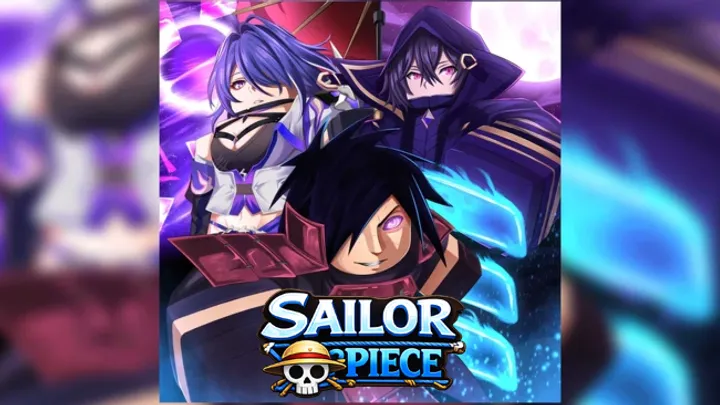
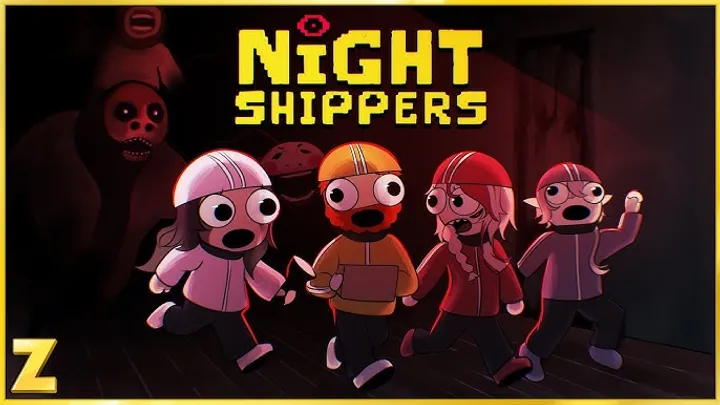
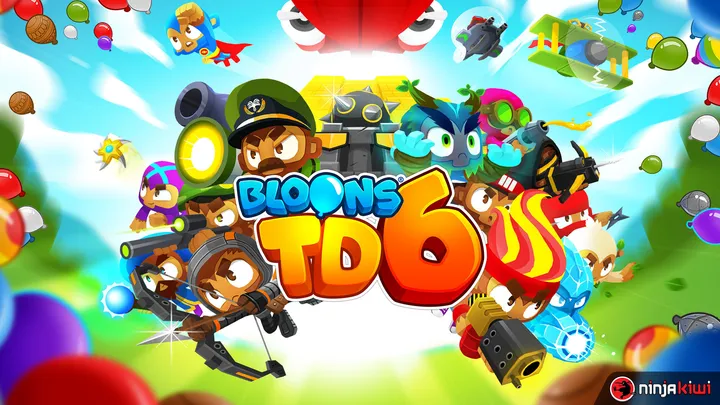
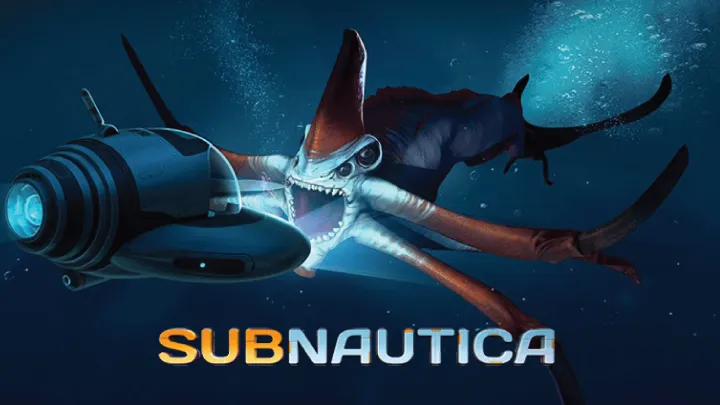
The metaverse is often imagined as a future innovation, but platforms like Roblox have already made it a reality.
Unlike traditional games, Roblox is not defined by a single world or narrative. Instead, it is a vast ecosystem of user-generated experiences, where millions of players are not just participants—but creators. This unique structure has transformed Roblox into a living digital economy and a social universe that continues to expand in unexpected ways.
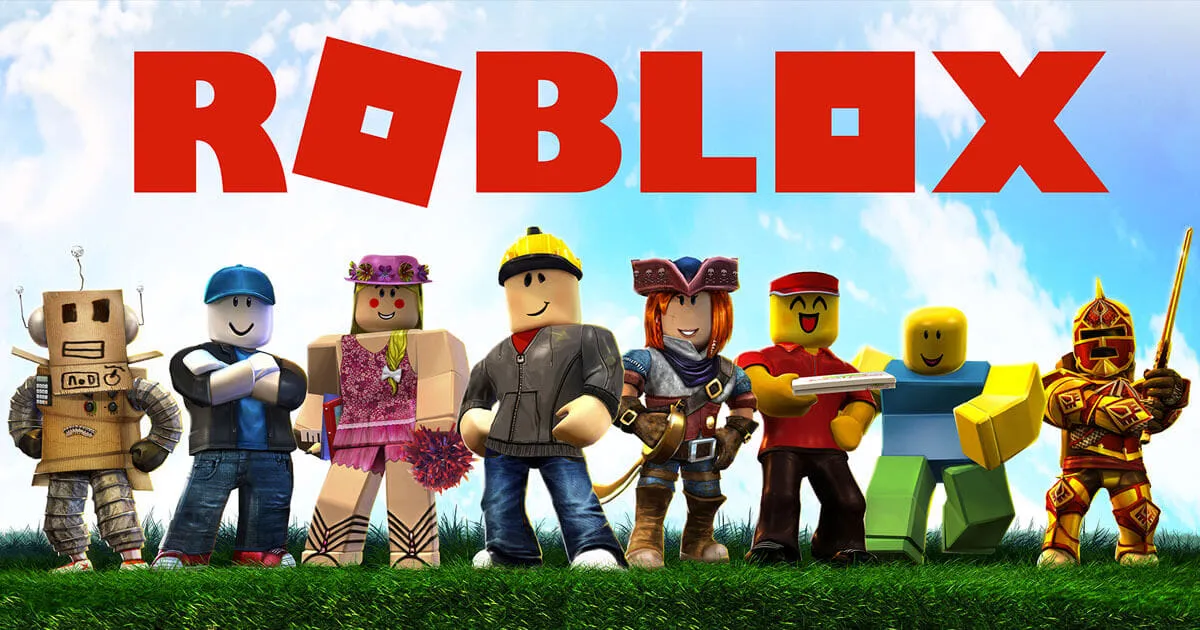
From Platform to Universe: The Expansion of Roblox Worlds
At its core, Roblox began as a simple game creation platform. Early experiences were basic, often experimental, and limited in scope. However, as tools improved and the community grew, these experiences evolved into complex virtual worlds.
Today, Roblox hosts:
- Massive multiplayer simulations
- Competitive games with global audiences
- Social hangout spaces
- Story-driven adventures
Each experience acts as its own micro-world, contributing to a larger interconnected metaverse.
The Power of Creation: Identity Through Design
In Roblox, identity is not just expressed—it is built.
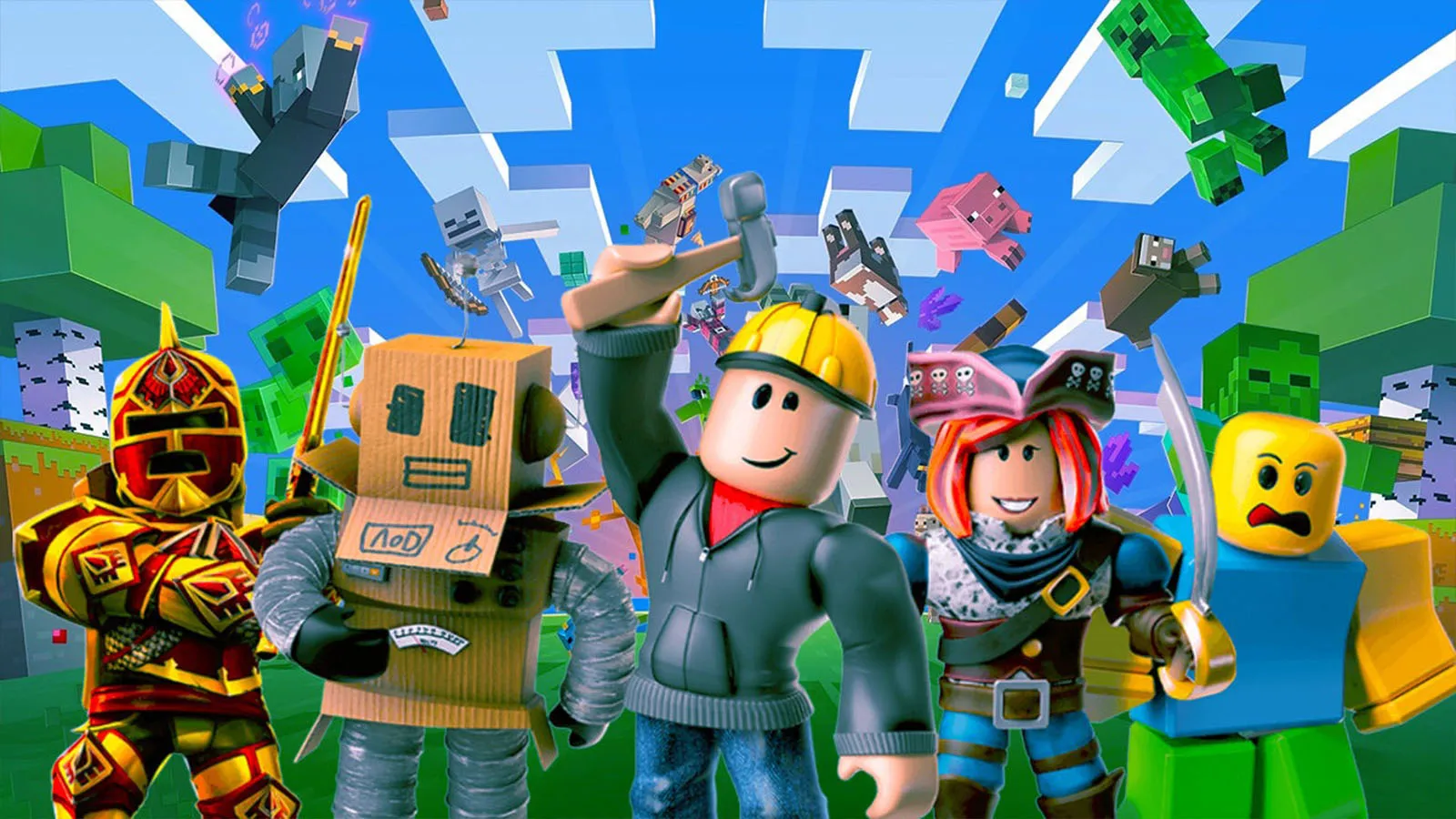
Players customize avatars using items created by other users, ranging from simple outfits to highly detailed accessories. Meanwhile, developers construct entire games that reflect their vision, creativity, and technical skill.
Digital Identity Layers
- Avatar Customization: A direct reflection of personal style and status
- Game Creation: A deeper layer where creators shape experiences for others
- Social Presence: Reputation built through interaction and visibility
This multi-layered identity system allows players to exist simultaneously as consumers and creators.
The Rise of a Player-Driven Economy
One of Roblox’s most defining features is its internal economy powered by Robux. Unlike many games, economic activity here is largely driven by users.
Developers can:
- Sell in-game items
- Monetize access to experiences
- Earn revenue through player engagement
Top creators have turned their games into full-scale businesses, blurring the line between gaming and entrepreneurship.
Scarcity, Status, and the Culture of Exclusivity
As the platform matured, scarcity became a powerful social driver. Limited-edition avatar items, exclusive game passes, and rare collectibles created a hierarchy among players.
Owning rare items is not just about aesthetics—it signals:
- Longevity within the platform
- Financial investment
- Social influence
This mirrors real-world digital economies, where rarity and timing often determine value.
Social Interaction as Core Gameplay
Unlike traditional games where social features are secondary, Roblox places interaction at the center of the experience.
Players gather in:
- Roleplay servers
- Virtual cities
- Event spaces
These environments function similarly to real-world social hubs, where players build friendships, communities, and even informal networks.
Events and Live Experiences: The New Digital Stage
Roblox has pioneered virtual events, hosting concerts and collaborations that attract millions of players simultaneously.
These events:
- Transform games into live experiences
- Blur the line between entertainment and interaction
- Create shared cultural moments
They represent a shift toward immersive, participatory media.
The Developer Ecosystem: A New Generation of Creators
Roblox is not just a game—it is a development platform. With tools like Roblox Studio, young creators can learn coding, design, and game development.
This ecosystem has:
- Empowered independent developers
- Lowered barriers to entry in game creation
- Built a pipeline for future tech talent
Many successful developers started as players, highlighting the platform’s cyclical creative model.
Global Connectivity and Cultural Exchange
Roblox connects players from all over the world in shared digital spaces. This creates a dynamic environment where cultures, trends, and ideas spread rapidly.
Players communicate through:
- Chat systems
- Emotes
- Shared gameplay experiences
Despite language differences, collaboration remains seamless, reinforcing the idea of a borderless digital society.
Conclusion: Roblox as a Blueprint for the Creator Economy
Roblox represents more than a gaming platform—it is a blueprint for the future of the internet.
By combining user-generated content, social interaction, and economic opportunity, it has created a sustainable digital ecosystem driven by its community. As the concept of the metaverse continues to evolve, Roblox stands as a leading example of how virtual worlds can empower creativity, redefine ownership, and connect people on a global scale.